The deaths of Indian nationals linked to the Russian military have intensified debate over foreign recruitment, geopolitical symbolism, and the expanding international dimensions of the Russia–Ukraine conflict.
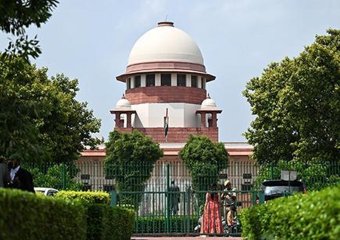
The revelation that dozens of Indian nationals died after joining the Russian military has intensified debate over the role of foreign recruits in the ongoing Russia–Ukraine conflict. According to information submitted before the Supreme Court of India, 217 Indians reportedly joined the Russian Armed Forces, with 49 confirmed dead, 6 officially missing and 23 individuals remains unknown or untraceable.
Geopolitical Interpretation and Global Visibility
The issue has now moved beyond recruitment concerns and entered the realm of geopolitical interpretation. Critics argue that the presence of foreign nationals, including Indians, may have carried symbolic and political value for Russia during a prolonged war that has increasingly drawn global scrutiny. Russia’s military traditionally maintains structured intake systems and rigorous operational controls. Because of this, some observers question whether the inclusion of foreign nationals in frontline or conflict-linked roles was merely logistical or whether it also served to increase international attention surrounding the war.
Foreign Recruitment and India’s Diplomatic Response
Analysts note that the Russia–Ukraine conflict, while geographically concentrated in specific regions, has remained one of the most internationally discussed geopolitical crises in recent history. The visibility of foreign recruits from countries such as India added another international dimension to the conflict and amplified reactions abroad whenever casualties were reported. The Indian government has already intervened diplomatically to secure the return of several citizens reportedly associated with Russian military contracts. At the same time, investigations into recruitment facilitators and overseas military-linked employment channels have raised concerns over how Indian nationals entered such arrangements.
CONCLUSION
The deaths of Indian citizens in a foreign conflict have generated emotional reactions across India, with many questioning why Indians became connected to a war far from their homeland while Indian government have an interest in it. Others believe the episode reflects how modern conflicts increasingly extend beyond regional borders through foreign recruitment, international media narratives, and geopolitical influence. While no official evidence publicly proves deliberate propaganda intent, the involvement of Indian nationals has undeniably expanded public attention toward the human and political dimensions of the war. As the conflict continues, the issue is likely to remain sensitive both diplomatically and domestically for India.

Indian Casualties in Russian Army Raise Questions Over War Optics and Foreign Recruitment
Also Read


© 2026 varta.space. All rights reserved.
Comments
No comments yet.