The US has troops in a lot of countries —far more than most people realize, 68,000+ US troops in Europe alone, interestingly 50% of US overseas troops are in Japan & Germany combined.
Across parts of the world, debates about the presence of United States troops have become louder. The reasons aren’t identical everywhere, but a common thread runs through them: sovereignty, risk management, and domestic politics. It’s not a universal push-many governments still welcome U.S. forces-but in several countries the conversation has shifted from quiet acceptance to open scrutiny.
Below are three cases where this debate is especially visible: Spain, Germany, and Iraq. Each illustrates a different mix of motivations.
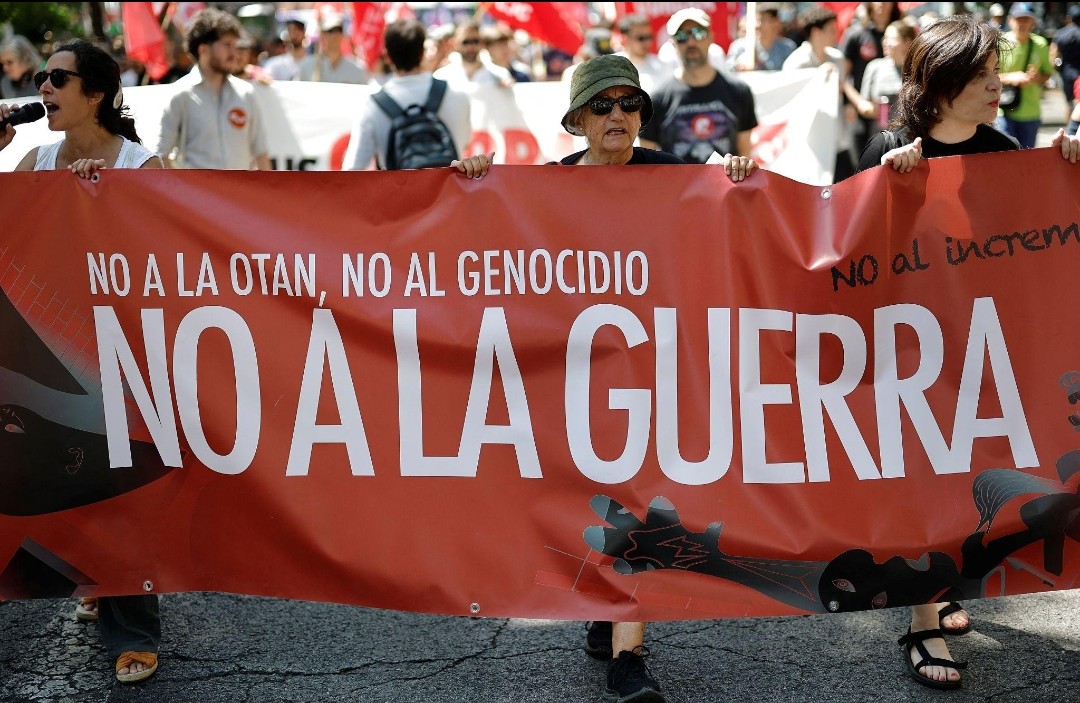
🇪🇸 Spain: Sovereignty, Public Opinion, and “Not in Our Name”
Spain hosts U.S. forces at key sites such as Rota (naval) and Morón (air). These bases are important for NATO operations and rapid deployment into North Africa. Yet, in recent years, Spanish leaders and the public have been more cautious about how those bases are used.
Why the pushback?
Sovereignty and consent: Madrid wants clearer limits on how U.S. forces can use Spanish territory: especially for operations Spain does not politically support.
Public opinion: Anti-war sentiment runs strong. Large demonstrations have historically followed conflicts seen as externally driven.
Risk of entanglement: There’s concern that allowing offensive operations could make Spain a target in broader regional conflicts.
What it looks like in practice:
Rather than demanding a total withdrawal, Spain has leaned toward conditional cooperation-tightening permissions, restricting certain missions, and asserting oversight. The message is: partnership, yes-but not automatic alignment.
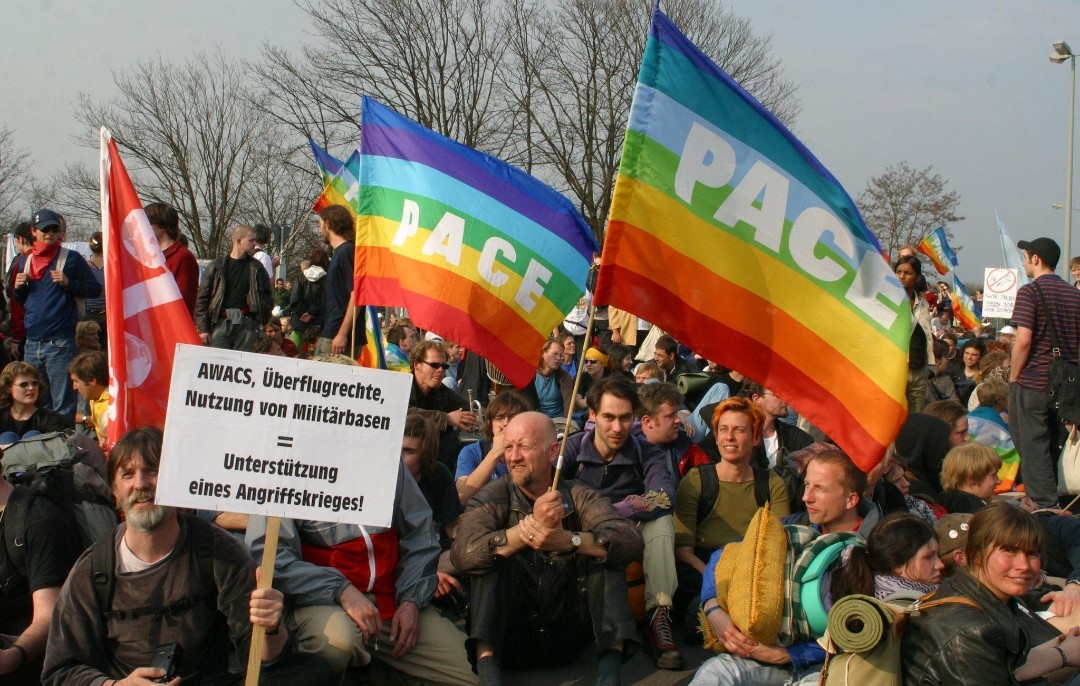
🇩🇪 Germany: Strategic Reassessment and Autonomy
Germany has long been the central hub of U.S. military presence in Europe, with facilities like Ramstein Air Base and the headquarters in Wiesbaden. After World War II and throughout the Cold War, this presence was widely accepted. Today, the tone is more complex.
Why the debate now?
European strategic autonomy: Berlin and other EU capitals increasingly talk about building independent defense capabilities.
Legal and ethical concerns: Questions have been raised about how some U.S. operations (including drone-related logistics) intersect with German law.
Domestic politics: German public opinion includes strong pacifist and sovereignty: oriented currents.
What it looks like in practice:
Germany is unlikely to demand a sudden exit. Instead, it seeks rebalancing—more say over how bases are used, stronger European defense coordination, and gradual adjustment of roles. The U.S. presence remains valuable, but less unquestioned than before.
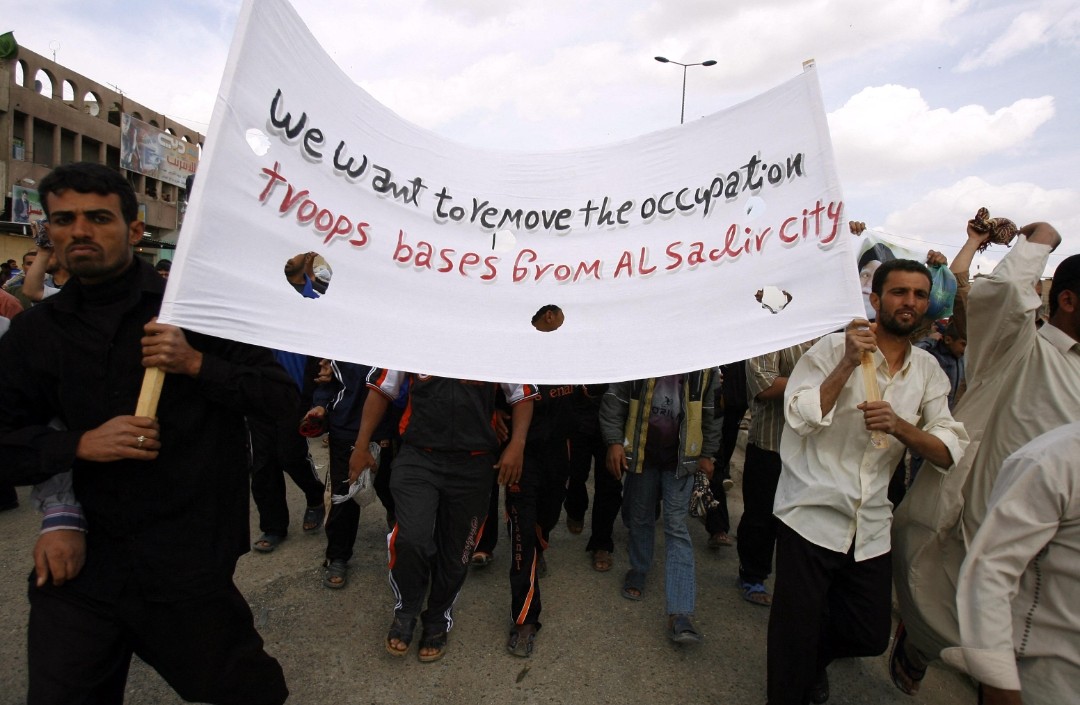
🇮🇶 Iraq: Security vs. Sovereignty
Iraq presents the most direct and contentious case. U.S. forces returned to help fight ISIS, but their continued presence has been politically sensitive.
Why the calls to leave?
Sovereignty concerns: Many Iraqi factions argue that a prolonged foreign military presence undermines national control.
Regional tensions: Iraq sits between competing powers. U.S. forces can make it a theater of proxy conflict, increasing the risk of retaliatory attacks on Iraqi soil.
Domestic pressure: Parliamentary votes and street protests have periodically demanded a timetable for withdrawal.
What it looks like in practice:
Negotiations have focused on transitioning roles—from combat operations to training, advisory, and intelligence support. The goal for many Iraqi leaders is reduced footprint with continued capability-building, rather than an abrupt vacuum.
The Common Threads
Despite different contexts, three shared themes explain why debates over U.S. troops are intensifying:
Sovereignty first : Governments want explicit control over what happens on their territory. Hosting troops no longer implies open-ended permissions.
Risk management: In an era of precision strikes and regional tensions, countries worry about becoming targets by association.
Domestic legitimacy: Public opinion matters. Democracies especially must balance alliance commitments with voters’ views on war and peace.
Not a Simple “Exit” Story
It’s important to avoid a binary frame. This isn’t a global movement where “most countries want the U.S. out.” Many still welcome U.S. forces for deterrence and stability. What’s changing is the terms of engagement:
More conditions on base usage, Greater transparency and oversight. A shift from permanent, large footprints to flexible, mission-specific deployments
The U.S. remains the most capable military actor globally, but its power increasingly operates through agreements and consent. As partners assert their interests more clearly, alliances become less automatic and more negotiated. In that sense, the current moment isn’t about rejection, it’s about redefinition. Countries like Spain, Germany, and Iraq are not simply saying “leave.” They are saying: “Stay-on terms that reflect our sovereignty, risks, and priorities.”

Why Some Countries Want U.S. Troops to Leave - And What It Really Means
© 2026 varta.space. All rights reserved.
Comments